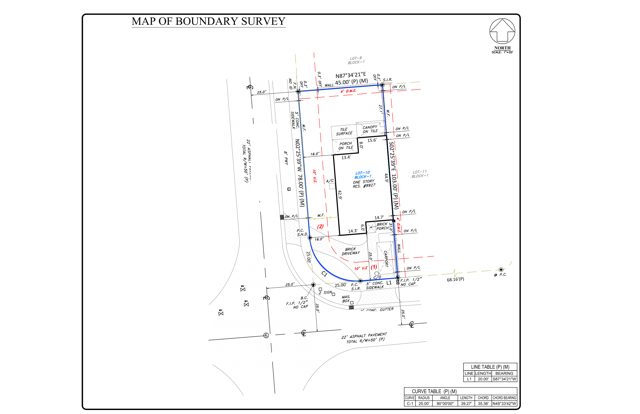
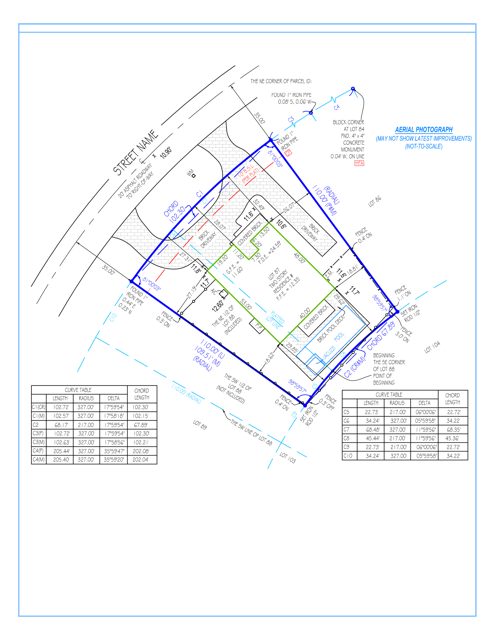
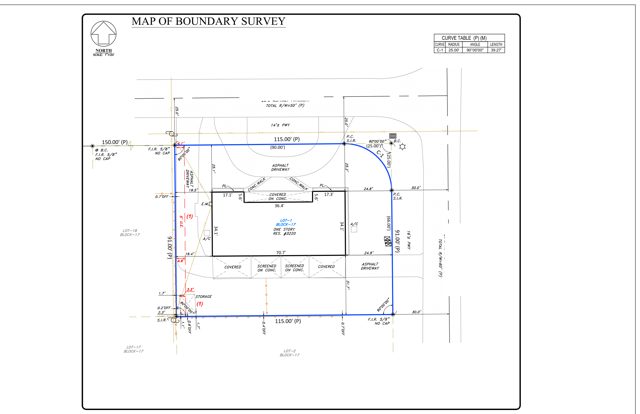
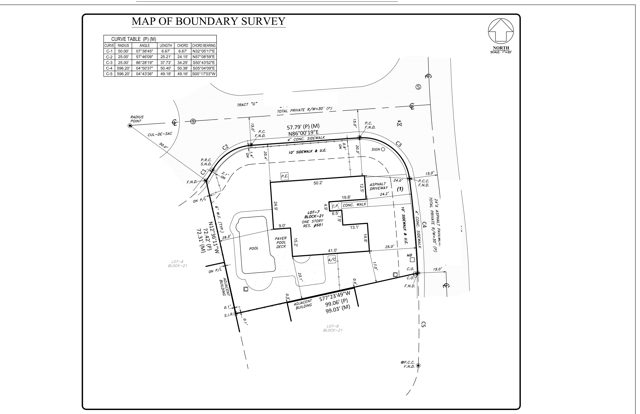
When outsourcing drafting makes sense
Outsourcing is not right for every firm, but there are a few situations where it usually pays off. If one or more of these sound familiar, it is worth a trial.
- Field crews are consistently ahead of the drafting team and the backlog keeps growing
- Work is seasonal, with busy periods that do not justify a year-round hire
- You have tried to hire experienced CAD drafters locally and cannot find or keep them
- The licensed surveyor or party chiefs are spending evenings on drafting instead of fieldwork, review or business development
- You want faster turnaround on routine boundary, mortgage or topographic drawings to win more of that work
How to run a test job
Before you hand over regular work, run one or two real jobs as a test. Pick something typical rather than your easiest or hardest project, so the result tells you what everyday work will look like.
Send the job exactly as you would send it to a new in-house drafter, then judge the result the way your surveyor would before signing. Look at accuracy against the field data, adherence to your template and layer standards, linework and annotation quality, and how many corrections you had to make. Note how questions were handled: a good drafter asks when something in the data is unclear rather than guessing.
Also pay attention to communication and timing. Did the drawing arrive when promised? Were revisions turned around quickly? Was it easy to explain what you wanted? These matter as much as the drawing itself once you are sending work every week.
What to send your drafting partner
The quality of outsourced drafting depends heavily on what you provide at the start. Firms that put together a clear starter package get consistent results much faster. Most of this only needs to be sent once.
- Your CAD template file (DWT or DWG) with title block, layers, text styles and dimension styles
- Your CAD standards or a short written guide to layer names, line types, symbols and annotation conventions
- One or two sample finished drawings that represent what you want delivered
- For each job: the field data (point files, coordinate files, raw data exports or field sketches), deed and plat references, and any notes from the crew
- Standard notes, certifications text and legend blocks you use, so they stay consistent
- The deliverable format you need: DWG, PDF or both, and sheet sizes
Keeping quality and confidentiality under control
Outsourcing does not change who is responsible for the survey. The licensed surveyor still reviews, signs and seals the final drawing. The drafting partner's job is to deliver a drawing that needs as little correction as possible before that review.
Ask how the partner checks work before it reaches you. A separate review step by someone other than the drafter catches most errors with linework, labels and template use. Agree on how revisions are requested and tracked, and keep a short running list of your corrections so recurring issues get fixed for good.
Confidentiality matters too. Survey files include client names, addresses and legal descriptions. Ask how files are shared and stored, who has access, and whether the partner will ever show your work as a portfolio sample. Put expectations in writing, including a confidentiality agreement if your firm uses one.
Outsourcing vs hiring: how to compare the cost
Comparing outsourced drafting with an in-house hire is about more than an hourly rate. An in-house drafter brings salary plus benefits, payroll taxes, software licenses, hardware, training time and management time, and you pay for that capacity during slow weeks as well as busy ones. Recruiting and replacing staff adds its own cost and delay.
Outsourced drafting is usually priced per drawing or by agreed volume, so cost follows workload. The trade-off is that you need to invest some time up front in standards and communication, and you rely on a partner's availability. Many firms end up with a mix: a small in-house team for complex or sensitive work, with routine drawings and overflow outsourced.
Turnaround across time zones
Working with a drafting team in a different time zone can be an advantage rather than a problem. If the team works while your office is closed, jobs sent at the end of your day can be drafted overnight and waiting in your inbox the next morning, ready for review. Questions and revisions are handled at the start and end of your day.
To make this work, agree on a daily cut-off time for new jobs, a clear channel for questions, and what happens when field data is incomplete. A short overlap window, even an hour, helps resolve issues quickly.
DAN Plan works this way. Our team of experienced CAD drafters is in Europe and works during the North American night, drafting survey drawings in AutoCAD in your own template and standards, with every drawing reviewed by a dedicated checker before delivery and revisions included. We do not do fieldwork or sign drawings. Pricing for firms with regular work is agreed individually by volume, and the first test drawing is free.